.png)
How Dining Tables Become a Visual Focus in Many Bali Restaurants
In Bali, the design of a restaurant is more than just furniture placement or color choices; it is a holistic experience where every detail contributes to the atmosphere. Among all elements, dining tables often emerge as the visual focal point of the space. This focus is intentional, as tables not only serve a functional purpose but also shape the perception of a restaurant’s style, comfort, and sophistication. For restaurants and villas alike, the tabletop acts as a canvas where design, materiality, and decoration converge, creating an experience that goes beyond the food itself. Many owners and designers draw inspiration from curated tableware collections, such as those found at homebyartonthetable.com, to ensure that each table reflects the restaurant’s identity while complementing the interior.
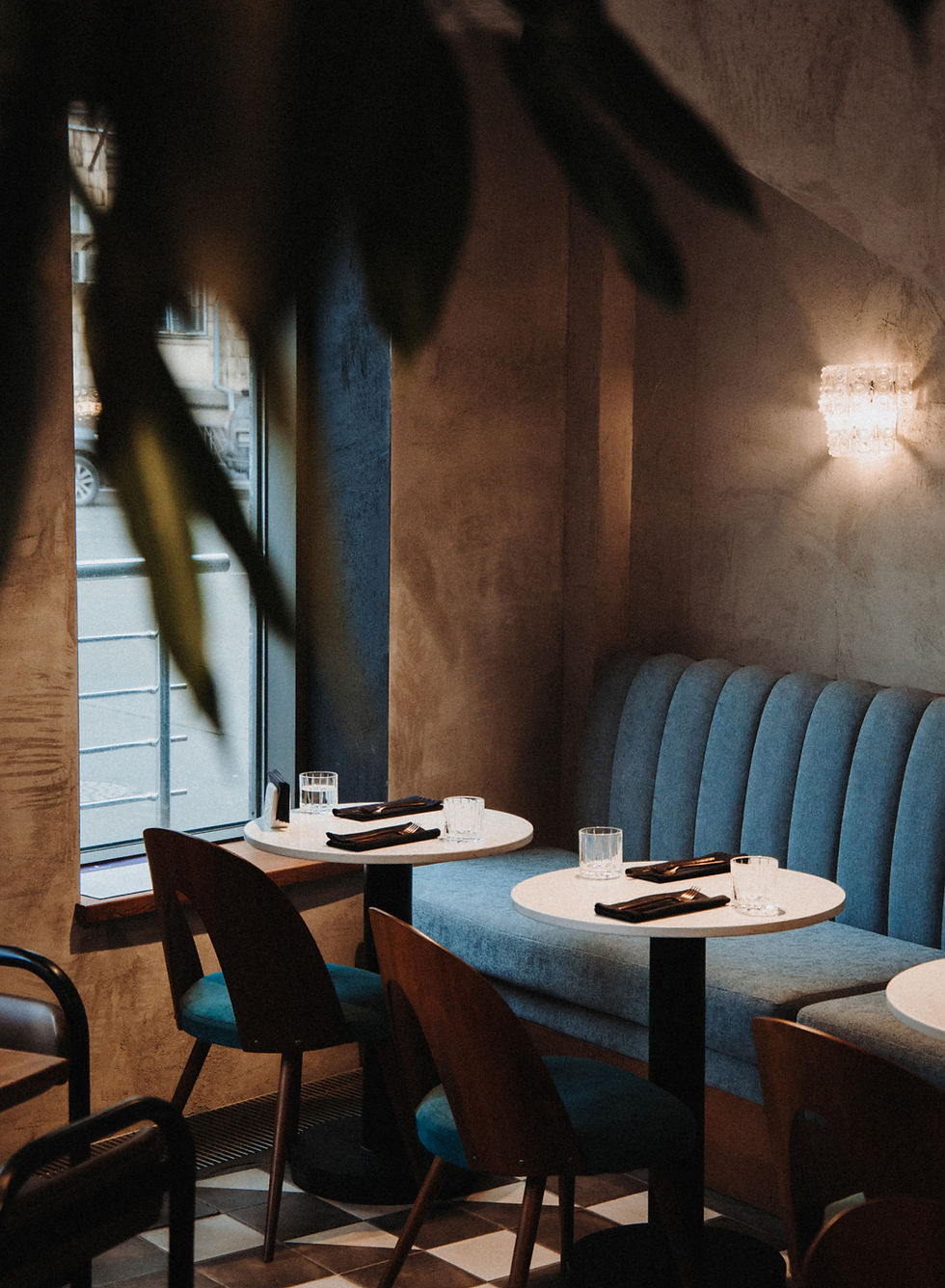
The choice of dining tables can immediately define the tone of a restaurant. Long communal tables suggest a social, casual atmosphere, while smaller, intimate tables create a sense of privacy and exclusivity. Materials play a critical role here: solid wood tables can evoke warmth and natural elegance, while glass or marble surfaces can impart a sense of modern sophistication. In Bali, where indoor-outdoor layouts are common and natural light is abundant, tables are often positioned strategically to highlight views, greenery, and architectural features. A well-chosen table acts as an anchor for the interior design, drawing the eye and giving guests a central point of reference when entering the space.
Table styling is another layer that enhances the visual impact. The way tableware is arranged, the choice of glassware, cutlery, and even the placement of napkins can contribute to a cohesive aesthetic. Designers often integrate textures, colors, and patterns that echo the larger interior scheme. For example, in tropical-themed restaurants, rattan placemats, ceramic plates with earthy tones, and glassware that catches natural light can create harmony with the surrounding décor. Selecting tabletop elements first can guide the overall design choices, from lighting fixtures to wall colors, ensuring that every aspect of the restaurant feels connected. Collections from sources like homebyartonthetable.com are often used to explore styles and test combinations before finalizing the design.
Lighting is an essential factor in making dining tables stand out visually. Pendant lights positioned directly above tables highlight textures, materials, and tableware, adding depth to the dining experience. Natural light in Bali’s open-air restaurants further emphasizes the tabletop as a focal point, creating dynamic shadows and reflections throughout the day. The interplay between table surfaces and ambient light can transform a table into a visual centerpiece, making it a defining element of the space even before the first dish is served.
Beyond aesthetics, the design of tables affects the overall functionality of a restaurant. Designers must balance visual appeal with comfort and usability. Tables need to accommodate guests comfortably, allow enough space for serving dishes, and integrate seamlessly with chairs and surrounding décor. When designers start by focusing on tables, they can ensure that dimensions, materials, and finishes align with both operational requirements and interior styling. This attention to detail guarantees that the table is not only visually prominent but also enhances the practical flow of dining.
Decorative elements on the table further reinforce its role as a focal point. Simple centerpieces such as small floral arrangements, candles, or locally crafted ornaments can provide subtle accents that connect with the restaurant’s theme. In Bali, designers often use natural elements like tropical leaves, bamboo, or shells to reflect the local environment, creating a visual dialogue between the table and the rest of the interior. These details can tie the dining area together, making each table feel like an intentional design statement rather than a functional necessity.
Hospitality professionals have noticed that a visually striking table positively influences guest perception. A thoughtfully styled table communicates care, attention to detail, and a sense of place. Guests often remember their dining experience based on the visual presentation of the table, from the arrangement of dishes to the interaction of textures and colors. For restaurant owners, this reinforces brand identity and encourages guests to share their experiences, whether through word of mouth or on social media. In Bali, where many establishments cater to international guests, aligning table styling with the interior ensures that the restaurant makes a strong, cohesive impression.
Flexibility is another consideration in making dining tables the visual centerpiece. Restaurants may host varied dining experiences—from casual breakfasts to formal dinners—and the table should be adaptable to different layouts and presentations. By designing the space around the table as a visual focus, designers can implement modular or multi-purpose table arrangements that maintain aesthetic consistency while accommodating changing needs. This approach ensures that the focal point remains effective across different service types and guest configurations.
In conclusion, dining tables in Bali restaurants serve as much more than a functional necessity; they are central to the visual and experiential identity of a space. From material choices and tableware to lighting and decorative accents, the table defines the restaurant’s style and guides design decisions across the interior. Starting with the tabletop in the design process allows interior designers to create a cohesive, inviting environment where every element feels intentional. Resources such as homebyartonthetable.com provide valuable inspiration for combining tableware and tabletop styling with broader interior concepts. Ultimately, by treating dining tables as a visual focus, restaurants and villas can craft memorable dining experiences that resonate with guests long after the meal is finished.


Comments