.png)
Why Tableware Selection Matters for Interior Designers in Hospitality
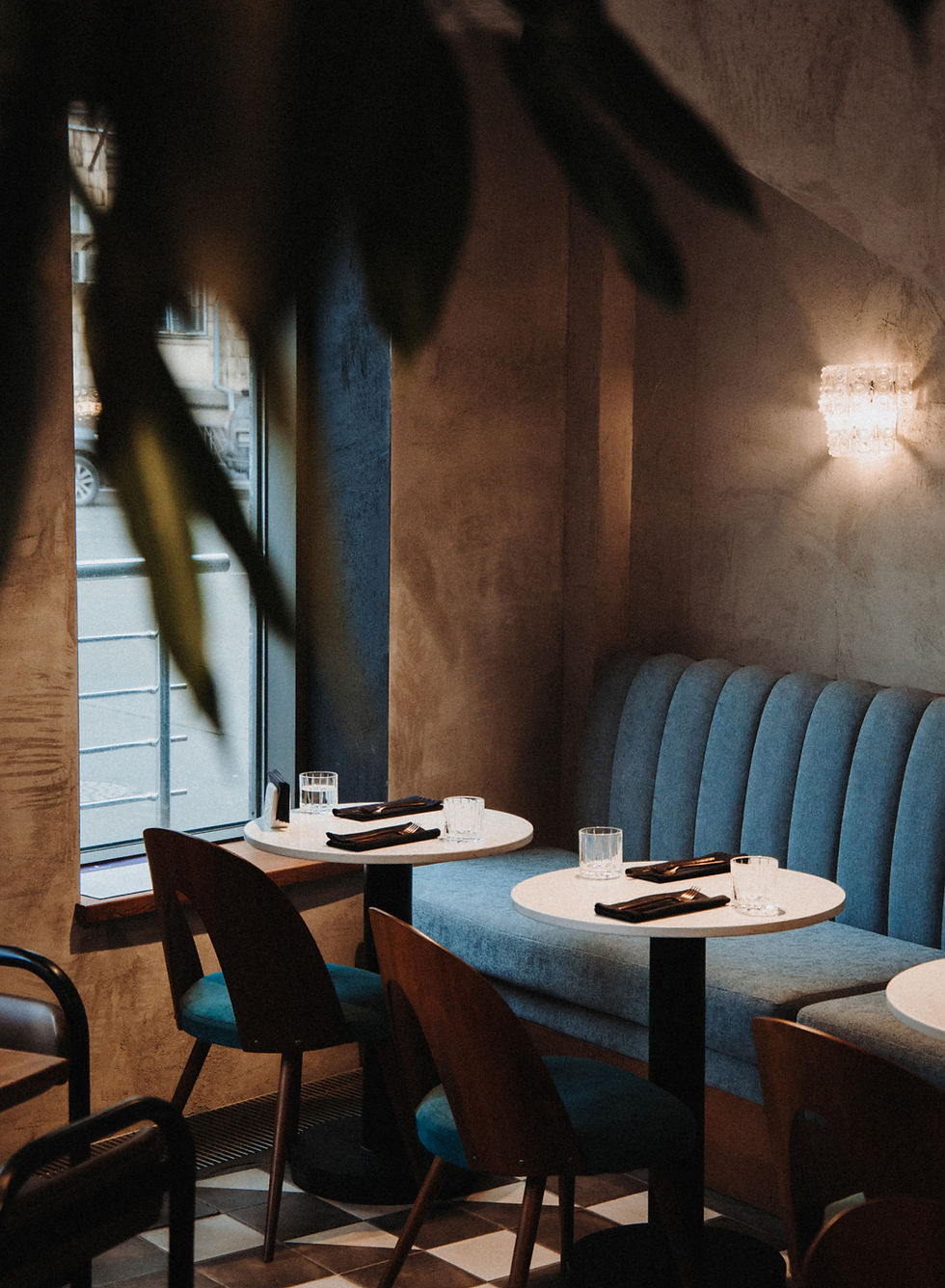
In hospitality design, the focus often extends beyond walls, flooring, and lighting. For restaurants and villas in Bali, the small details can make a significant difference, and one of the most overlooked yet impactful elements is tableware. Plates, bowls, glasses, and cutlery are not just functional objects—they are integral components of interior design that shape the visual identity, mood, and overall dining experience. For interior designers, thoughtful tableware selection ensures that the aesthetic vision is coherent while also supporting practical needs for service and guest comfort.
Tableware serves as a bridge between culinary presentation and interior styling. The materials, textures, and colors of dishes and glassware can complement furniture, lighting, and décor, or they can create an intentional contrast that becomes a design statement. For example, a restaurant with tropical interiors may benefit from earthy ceramic plates and hand-blown glassware that echo natural tones and textures. Similarly, modern minimalist venues might use sleek, monochromatic dinnerware to reinforce clean lines and a polished look. Designers often explore curated collections to find pieces that harmonize with their vision. Some restaurants and villa owners in Bali source inspiration or complete tableware collections from places such as homebyartonthetable.com to integrate their dining tables seamlessly into the broader interior concept.
One of the key considerations in tableware selection is scale and proportion. The size of plates and bowls should correspond with the dimensions of the tables to avoid overcrowding while still leaving room for drinks, utensils, and decorative elements. Glassware should also align with table height and seating arrangements so that it feels natural and accessible. Designers often use mockups or sample layouts to test these proportions before finalizing the selection. By starting with tableware as a core element, designers can make informed decisions about table spacing, lighting placement, and accessory integration, ensuring that every dining surface supports both visual and practical requirements.
Texture and material choices play an essential role in reinforcing a venue’s interior character. For tropical-inspired restaurants, woven placemats, wooden serving boards, and stoneware plates add tactile richness that complements natural materials used in furniture and flooring. Conversely, fine dining establishments may favor crystal glassware, polished porcelain, or metallic accents that convey sophistication and elegance. Incorporating materials that echo the broader interior palette helps create a sense of cohesion, ensuring that the table setting feels like an intentional part of the space rather than an afterthought.
Color is another crucial aspect. Tableware colors can either harmonize with the interior design or provide a deliberate contrast that highlights the food itself. Warm tones such as terracotta, amber, or muted greens work well in tropical interiors and villa dining areas, while cooler tones or stark whites can enhance contemporary or minimalist aesthetics. Designers also consider how color interacts with lighting—both natural and artificial—to ensure that surfaces appear inviting and visually appealing at any time of day. Even small elements, such as patterned rims or colored glass, can subtly reinforce the style and mood of the space.
Functionality remains a critical consideration alongside aesthetics. While designers aim for visual cohesion, they also need to account for durability, ease of handling, and maintenance. Restaurants and villas have high guest turnover, and tableware must withstand frequent use and cleaning. Selecting materials that balance elegance with resilience ensures that the visual appeal does not come at the expense of practicality. This dual focus on beauty and usability is why interior designers often collaborate closely with hospitality managers when choosing tableware, creating a strategy that supports both design goals and operational efficiency.
In addition, tableware selection influences how guests perceive the dining experience. Thoughtful choices can elevate a meal, making even casual dishes feel special. For Bali restaurants, where tourism and cultural aesthetics intersect, tableware contributes to a sense of place. Local craftsmanship, hand-painted ceramics, or uniquely shaped glassware can provide subtle cultural cues that enhance authenticity and enrich the overall ambiance. Designers who prioritize tableware as part of their interior styling often notice that guests respond positively, commenting on the attention to detail and the immersive quality of the environment.
From a practical standpoint, designers often integrate tableware with other interior elements, such as lighting, furniture, and décor. Pendant lights or natural sunlight can highlight reflective surfaces like glassware, creating visual interest, while placemats and runners can add texture and pattern without overwhelming the table. Designers may also experiment with layered table settings—combining chargers, dinner plates, and serving bowls—to create depth and sophistication. This approach ensures that tables are not just functional surfaces but active contributors to the restaurant or villa’s visual narrative.
In conclusion, tableware selection is a vital consideration for interior designers working in hospitality, particularly in Bali where the visual identity of a restaurant or villa greatly impacts the guest experience. Plates, glasses, and cutlery are not merely tools for serving food—they are design elements that shape spatial perception, reinforce themes, and elevate the overall ambiance. By thoughtfully choosing tableware that complements the interior concept, designers can create dining environments that are cohesive, functional, and visually engaging. Sources such as homebyartonthetable.com provide valuable inspiration and collections that help designers translate conceptual ideas into tangible, usable elements. Ultimately, the careful integration of tableware into interior styling allows restaurants and villas to offer dining experiences that are not only enjoyable for the palate but also memorable for the eyes.


Comments