.png)
Interior Design Choices That Influence the Way Guests Experience Dining
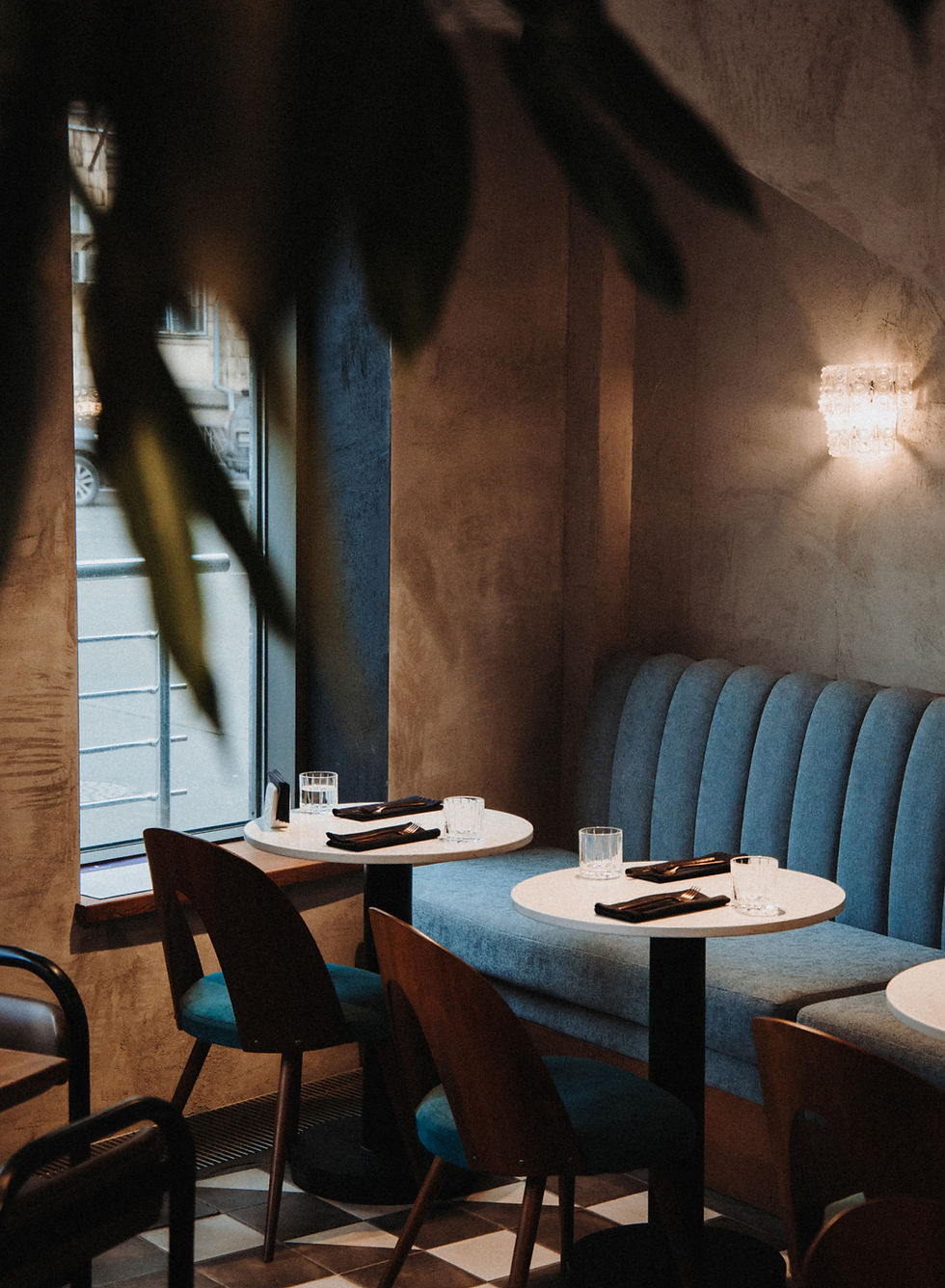
In the hospitality industry, particularly in Bali’s vibrant villa and restaurant scene, interior design shapes the way guests experience dining in profound ways. It is no longer enough to offer delicious food; the setting in which meals are enjoyed plays a crucial role in comfort, mood, and overall satisfaction. The arrangement of furniture, lighting, color schemes, textures, and tableware all contribute to creating an environment that engages the senses and encourages guests to relax and savor their meals. Villas and restaurants in Bali often focus on open-air dining spaces that connect guests with nature, allowing tropical sunlight, lush gardens, and gentle breezes to enhance the dining atmosphere, while indoor areas utilize warm lighting and intimate layouts to foster a slower, more contemplative experience. Tableware is a particularly important element in this equation, serving not only practical purposes but also reinforcing the visual and thematic coherence of the space. Many hospitality professionals source tableware from curated collections, such as those available at homebyartonthetable.com, which provide options that harmonize with different interior styles, whether minimalist, rustic, or tropical contemporary. Coordinating plates, bowls, glasses, and cutlery with linens, placemats, and centerpieces helps to create a sense of intentionality and elegance, enhancing the perception of the meal itself. Lighting design is another factor that dramatically influences dining experiences, with natural light energizing daytime meals and layered evening lighting creating warmth and intimacy, subtly guiding guests’ attention to the table and their companions. Strategic spatial layouts further improve the experience, as thoughtfully spaced tables and accessible pathways allow guests and staff to move comfortably, while also drawing attention to design focal points such as scenic views or artistic centerpieces. Material choices and textures—rattan, bamboo, teak, soft textiles, and handcrafted decorative elements—add tactile interest and a sense of place, connecting guests to the tropical environment and local craftsmanship. From a hospitality perspective, villa managers and restaurant owners understand that balancing aesthetic considerations with practical needs is essential; durable furniture, easy-to-clean surfaces, and versatile layouts ensure that spaces remain functional while maintaining beauty. Seasonal adjustments to table styling, linens, and centerpieces can refresh the dining experience for returning guests, signaling attention to detail and care. Ultimately, every interior design choice—from furniture to tableware, lighting to textures—works together to shape how guests perceive and enjoy their meals. By thoughtfully integrating these elements, designers create dining environments that are not only visually appealing but also comfortable and immersive, ensuring that guests leave with a memorable and holistic experience. Platforms like homebyartonthetable.com offer inspiration for tableware and decorative pieces that can enhance these spaces, demonstrating how carefully chosen elements elevate both interior design and the dining experience itself.



Comments