.png)
How Dining Tables Fit into the Overall Interior Design of Bali Restaurants
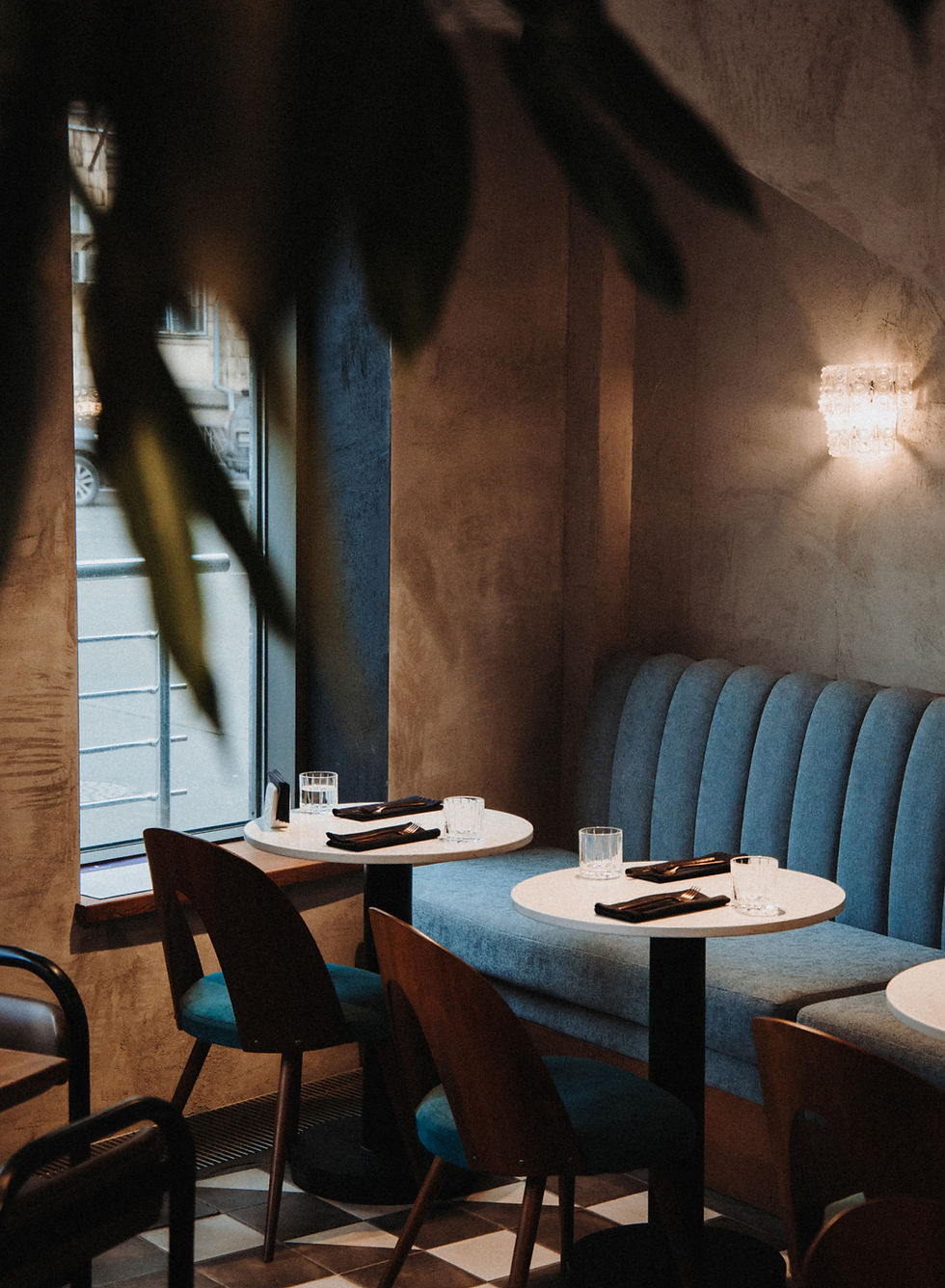
In Bali’s vibrant restaurant scene, interior design is much more than just decoration—it shapes the entire dining experience. Among the many elements that influence how a space feels, dining tables play a central role. The choice of table size, material, shape, and styling directly impacts not only the comfort of guests but also the visual cohesion of the restaurant. A well-considered dining table complements chairs, lighting, flooring, and other décor elements, creating a sense of balance and inviting atmosphere. Restaurants and villas in Bali often invest considerable thought into selecting tables that harmonize with the overall interior concept, understanding that these details contribute to the establishment’s identity and the guest’s perception of quality. Many designers and hospitality managers look for inspiration and curated collections from sources like homebyartonthetable.com to ensure their tables enhance the overall dining environment.
The material of the dining table is one of the first decisions that affects interior harmony. Solid wood tables convey warmth and a natural, tropical feel that aligns with Bali’s open-air dining culture. In contrast, metal or glass tables can support modern or minimalist themes, complementing sleek lighting fixtures and polished floors. Designers often consider how the table surface interacts with natural light, outdoor views, and the textures of surrounding décor. For example, a teak table in an open-air beachfront restaurant reflects sunlight softly and harmonizes with rattan furniture and tropical plants, creating a cohesive aesthetic that feels both elegant and grounded in its surroundings.
Table size and layout are equally crucial for maintaining balance in restaurant interiors. Long communal tables can foster a sense of social connection in casual settings, while smaller, individual tables create intimacy for fine dining experiences. The arrangement of tables must also account for traffic flow, accessibility, and the restaurant’s operational efficiency. In Bali, where indoor and outdoor spaces often merge, designers frequently use dining tables to delineate zones within a restaurant, subtly guiding guests from lounge areas to main dining sections. This spatial strategy ensures that the interior design supports both comfort and functionality, enhancing the overall guest experience.
Styling and tableware are additional layers that tie the dining table into the broader interior design. Plates, cutlery, and glassware contribute visual rhythm, texture, and color to the table, reinforcing the restaurant’s design theme. Attention to these details can make the table feel complete and intentional. Clear, elegantly shaped glassware enhances both casual and fine dining settings, while uniquely patterned plates or hand-finished cutlery can add a touch of character that reflects the restaurant’s brand. Bali-based hospitality professionals often source curated glassware and tableware from collections such as homebyartonthetable.com to ensure that each dining element aligns with the desired aesthetic.
Lighting also plays a critical role in how tables integrate with interior design. Pendant lights, candles, and floor lamps influence how materials, finishes, and table settings are perceived. A wooden table illuminated by warm pendant lights creates a cozy and inviting atmosphere, while a glass table under softer ambient lighting can give a restaurant a sophisticated, modern vibe. In Bali, where many restaurants blend indoor and outdoor elements, designers often combine natural light during the day with carefully placed artificial lighting at night, ensuring that dining tables remain visually appealing throughout service hours.
From a hospitality perspective, dining tables are more than functional furniture—they are part of the restaurant’s brand expression. The right table communicates the restaurant’s concept, whether it emphasizes luxury, comfort, modernity, or a tropical retreat. Villa managers and restaurant owners in Bali recognize that tables influence how guests perceive space, comfort, and even portion presentation. Designers and operators collaborate to select tables that support both aesthetics and practical considerations, ensuring durability for heavy usage while maintaining a style that reflects the establishment’s identity.
Ultimately, dining tables serve as the anchor of a restaurant’s interior design. They harmonize with furniture, lighting, and décor to create a cohesive and inviting environment, while also supporting functional needs such as seating arrangements and service efficiency. By thoughtfully selecting materials, sizes, and styling, and pairing tables with complementary tableware and glassware, Bali restaurants and villas can ensure that every dining experience feels intentional, comfortable, and visually satisfying. Curated resources like homebyartonthetable.com offer inspiration and access to collections that help designers and hospitality managers integrate dining tables seamlessly into their interiors. When executed with care, the dining table becomes more than a place to eat—it becomes a focal point that enhances the restaurant’s identity, atmosphere, and guest satisfaction.


Comments