.png)
How Restaurants in Bali Combine Tableware and Interior Design
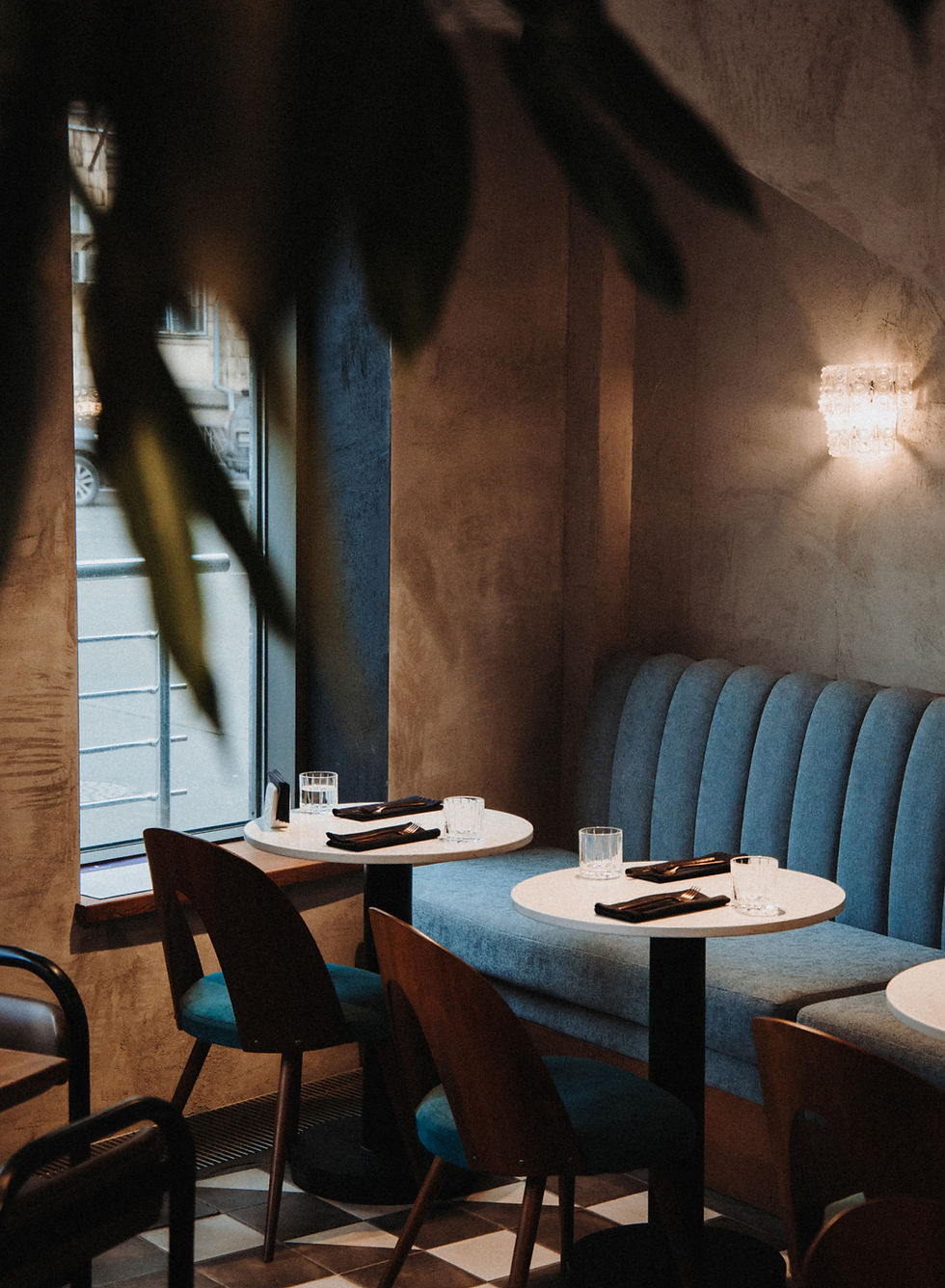
In Bali, dining experiences are increasingly about more than just the food; the environment plays a critical role in shaping how guests perceive a restaurant. Interior design and tableware are no longer separate considerations—they work hand in hand to create a cohesive, memorable experience. The careful selection of plates, bowls, glassware, and utensils can complement furniture, lighting, and décor to reinforce a restaurant’s identity. For restaurant owners, understanding how tableware interacts with the surrounding interior is essential in crafting spaces that feel intentional and harmonious. Some establishments even look for inspiration and curated collections from sources such as homebyartonthetable.com to ensure their tables align with their design vision.
The first consideration in combining tableware with interior design is color and material. Natural materials like bamboo, rattan, stone, and wood often appear in Bali’s tropical restaurants, and tableware that reflects these textures can enhance the connection between the table and the environment. For example, a stone-inspired serving plate can echo the organic tones of a wooden table or a woven placemat, creating a subtle yet cohesive visual effect. Similarly, tableware in muted or earthy tones can soften a modern interior while still highlighting the design of furniture and décor. By choosing tableware that complements the interior palette, restaurants can make tables feel like an integrated part of the space rather than an afterthought.
Glassware and cutlery also play an essential role in linking dining tables to the restaurant’s overall aesthetic. Crystal-clear or uniquely shaped glasses can reflect light beautifully, adding visual interest and sophistication. Polished cutlery in minimalist or classic styles enhances both the tactile and visual experience, supporting the restaurant’s design narrative. In Bali, where natural light and open-air layouts are common, the interplay between reflective surfaces, glassware, and natural surroundings can elevate a table setting into a focal point of the dining room. Thoughtful attention to these details reinforces the restaurant’s atmosphere and enhances the guest experience without relying solely on décor or food presentation.
Decorative accents further help bridge tableware and interior design. Simple centerpieces such as fresh flowers, small plants, or candles can add texture and warmth to a dining table, complementing the architectural elements of the restaurant. In tropical Bali interiors, these accents often draw inspiration from local flora or natural textures, seamlessly connecting the interior design with the dining presentation. By carefully balancing decorative elements, restaurants can maintain tables that are visually appealing yet functional, ensuring that guests feel both welcomed and comfortable.
Lighting is another crucial factor in integrating tableware with interior design. The placement of pendant lights, sconces, or strategically positioned candles can highlight the shapes, colors, and textures of tableware while reinforcing the ambiance of the restaurant. For instance, warm lighting can enhance the earthy tones of natural tableware, whereas brighter, cooler lighting can accentuate contemporary or minimalist designs. This deliberate interaction between lighting and table presentation allows the interior design to feel cohesive and thoughtfully curated, making each dining experience more immersive and engaging.
Spatial arrangement and ergonomics are equally important. The positioning of tables relative to windows, outdoor spaces, or other architectural features influences how well the tableware and interior work together. Restaurants often design layouts that allow guests to enjoy the view while maintaining comfort and accessibility. Proper spacing also ensures that each table is visually framed by the interior design, creating a sense of structure and harmony. In this way, the table becomes a visual extension of the room rather than a standalone element, supporting both aesthetic and practical considerations.
From a hospitality perspective, combining tableware with interior design offers tangible benefits for restaurants. It enhances the overall guest experience, communicates attention to detail, and reinforces the brand identity of the space. Restaurant owners and interior designers collaborate to select tableware that aligns with the aesthetic while maintaining functionality for daily service. Using consistent and high-quality tableware ensures that each dining setting looks polished and deliberate, contributing to the perceived value of the restaurant. Guests respond positively to spaces where the design feels intentional, often translating into longer visits, return visits, and favorable reviews.
In conclusion, the integration of tableware and interior design is a vital aspect of dining in Bali’s restaurants. Carefully chosen tableware, glassware, cutlery, decorative accents, lighting, and spatial arrangements work together to create cohesive, visually engaging environments. This approach not only enhances the aesthetic appeal of the restaurant but also improves guest comfort and satisfaction. Resources like homebyartonthetable.com provide inspiration and quality collections that help restaurant owners align their tables with the broader interior design concept. By treating table presentation as an integral part of interior styling, Bali’s restaurants can elevate dining experiences, making each meal a seamless blend of taste, comfort, and visual harmony.


Comments