.png)
Interior Styling Approaches That Work Well for Restaurant Dining Areas
In Bali, restaurants are more than just spaces to eat—they are carefully designed environments where every element contributes to the overall dining experience. Interior styling plays a significant role in shaping how guests feel, influencing both comfort and perception of the restaurant. Among the many factors that impact this experience, the dining area itself stands out as a primary focus. From the arrangement of tables to the choice of materials, lighting, and decorative elements, a well-styled dining area can create a lasting impression on visitors and enhance the overall ambiance of the establishment.
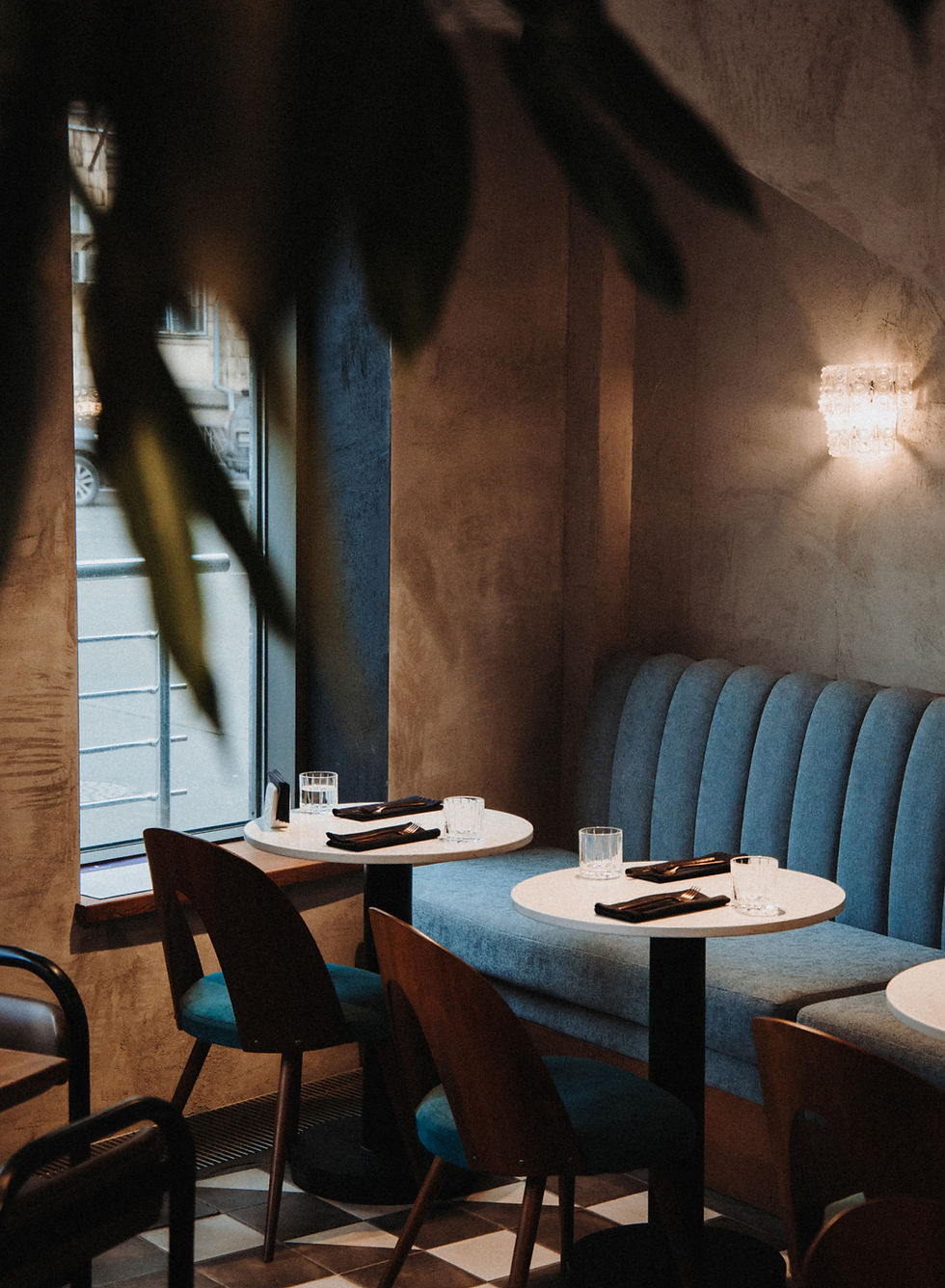
The starting point for effective interior styling often begins with the dining tables. The type, material, and finish of tables can dictate the flow and visual identity of the space. Wooden tables evoke warmth and approachability, while glass or stone surfaces may convey a modern or upscale aesthetic. Designers frequently look at curated tableware collections, such as those found at homebyartonthetable.com, to explore combinations of plates, glassware, and cutlery that complement the chosen furniture. By aligning the tabletop with the broader interior concept, restaurants can achieve cohesion in color, texture, and form.
Another essential aspect is spatial layout. The way tables are arranged affects both movement and social interaction. Open-plan designs with communal tables foster a lively, social atmosphere, while smaller, intimate table settings cater to private conversations and relaxed dining. In Bali, many restaurants incorporate indoor-outdoor layouts that take advantage of natural light and tropical scenery. Strategically positioning tables to capture garden views, ocean vistas, or architectural highlights ensures that the dining area not only functions efficiently but also enhances the guest experience visually.
Lighting is a critical tool in interior styling for dining areas. Properly placed lighting can draw attention to key elements, such as tables, centerpieces, or textures, creating a sense of depth and focus. Pendant lights above tables or indirect ambient lighting can accentuate the details of tableware and furniture while establishing mood and atmosphere. For tropical interiors, designers often consider how natural daylight interacts with the space, allowing reflections on polished table surfaces or the interplay of shadows to enrich the visual experience. Lighting, when thoughtfully combined with table styling, transforms a dining area from a functional space into an immersive environment.
Decorative elements on tables also contribute to the overall aesthetic. Subtle touches, such as small floral arrangements, locally crafted ornaments, or thoughtfully folded napkins, can reinforce the theme of the restaurant and create a sense of intentionality. Many Bali restaurants integrate natural materials like rattan, bamboo, or tropical foliage, connecting the interior to the surrounding environment. Such details are often guided by the tableware chosen, and designers use these elements to ensure the tables act as visual anchors within the dining area.
Beyond tables and decorations, color palette and materials play a central role in cohesive styling. Earthy tones, light woods, and woven textures work well in tropical settings, while sleek surfaces and metallic accents suit more modern or contemporary spaces. The choice of fabrics for seating, cushions, or curtains can complement these elements, creating a consistent and inviting environment. When interior designers coordinate these aspects with the layout and table styling, the result is a dining area that feels unified and carefully curated.
Functionality is another dimension that cannot be overlooked. While aesthetic appeal is important, restaurants must also ensure that tables and their arrangements support service efficiency. Tables should provide enough space for plates, drinks, and personal belongings without feeling cramped. Designers often start with table selection and styling to determine optimal spacing, ensuring that wait staff can move comfortably and guests have a relaxed dining experience. This balance between beauty and practicality is key to successful interior styling in hospitality settings.
Hospitality professionals in Bali recognize that a thoughtfully styled dining area contributes significantly to guest satisfaction and perception. Guests often respond positively to spaces that feel well-considered, where every detail—from furniture to tableware—supports the overall concept. A strong interior styling approach communicates a restaurant’s identity, whether it emphasizes local craftsmanship, modern minimalism, or tropical luxury. By beginning with the tables and integrating choices such as tableware inspiration from homebyartonthetable.com, designers create spaces that feel coherent, inviting, and memorable.
In conclusion, effective interior styling for restaurant dining areas in Bali involves a careful balance of aesthetics, functionality, and environmental context. Starting with dining tables as focal points allows designers to guide the choice of materials, lighting, decorative elements, and layout to achieve a cohesive and immersive space. Tables, combined with thoughtful tableware and complementary interior elements, act as anchors that define the visual and experiential quality of the restaurant. By considering both beauty and practicality, interior styling can elevate a dining area from merely functional to an integral part of the guest experience, leaving a lasting impression that resonates beyond the meal itself.


Comments