.png)
Interior Design Details That Improve Dining Experience in Villas
Creating a memorable dining experience in a villa goes beyond the food served; the environment itself plays a significant role in shaping how guests perceive a meal. In Bali, where villas often combine indoor and outdoor living, interior design details can make a meal feel more comfortable, visually appealing, and emotionally engaging. Dining areas that are thoughtfully designed consider everything from furniture and tableware to lighting and spatial arrangement, ensuring that every element works together to enhance the guest experience. For villa owners and hospitality designers, paying attention to these details not only elevates the aesthetic of the space but also contributes to guest satisfaction, repeat bookings, and positive reviews. Many villas in Bali look to curated sources such as homebyartonthetable.com for inspiration when selecting tableware and dining accessories that fit their overall design concept.
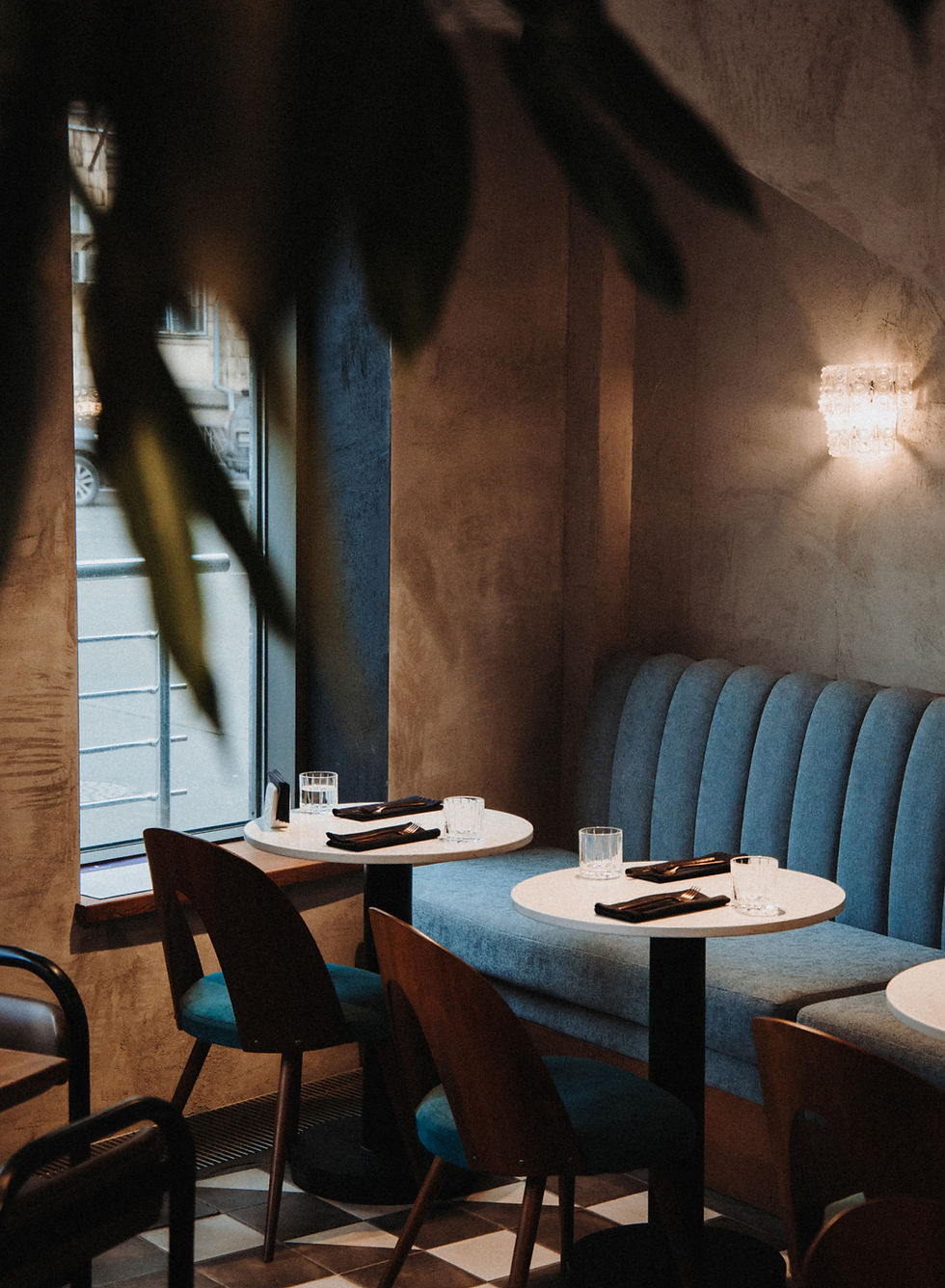
One of the most noticeable elements in a villa dining area is the furniture itself. The choice of dining table, chairs, and side tables influences both comfort and style. Natural wood tables are commonly favored for tropical villas, as they add warmth and complement Bali’s lush outdoor surroundings. However, modern villas may opt for sleek glass or metal designs that convey sophistication while still being easy to maintain. Chair selection is equally important, balancing comfort for long meals with visual harmony. Upholstered chairs, rattan seats, or minimalist benches can all create different moods, depending on the villa’s design language. The scale and arrangement of furniture also affect the atmosphere: a spacious layout encourages social interaction, while more intimate settings foster private and relaxed dining experiences.
Lighting is another critical factor that shapes how meals are experienced. In Bali villas, natural light is often maximized through open walls, sliding glass doors, or skylights, providing a connection to the outdoor environment. As the sun sets, layered artificial lighting helps maintain an inviting ambiance. Pendant lights over tables, soft wall sconces, or strategically placed candles can highlight table surfaces, food presentation, and surrounding décor. Proper lighting enhances the visual appeal of tableware and glassware, making meals feel more curated and thoughtful. For example, clear glassware and polished cutlery reflect light subtly, elevating the dining aesthetic without overwhelming the space.
Tableware and glassware themselves are an integral part of dining interior design. They not only serve functional purposes but also contribute to the visual storytelling of a meal. Villas in Bali increasingly consider the cohesion between plates, bowls, utensils, and glassware with the overall dining theme. Elegant, minimalistic glassware can complement modern interiors, while hand-painted or textured pieces enhance rustic or tropical themes. Villa owners often source inspiration and high-quality collections from websites like homebyartonthetable.com, where curated tableware ensures that every element of the dining setup reinforces the villa’s style. By paying attention to the coordination of color, texture, and form, tableware can transform a simple meal into a visually pleasing and immersive experience.
Decorative elements around the dining area also contribute to the overall experience. Plants, floral arrangements, or small art pieces can create focal points that make the space feel alive and welcoming. In tropical villas, greenery helps bridge indoor and outdoor areas, enhancing the sense of openness and calm. Subtle accessories, such as placemats, napkin holders, or small sculptures, further define the character of the dining area and reflect the villa’s personality. The key is to balance these elements so that they enhance rather than clutter the space, allowing the dining table to remain the central stage of the meal.
Acoustics and spatial layout are additional considerations that can improve comfort and enjoyment. Hard surfaces like glass and stone may reflect sound, creating an echo that can disrupt conversation. Soft furnishings, rugs, or strategically placed panels help absorb sound and maintain a pleasant auditory environment. Similarly, careful positioning of tables, pathways, and furniture ensures that movement is fluid and service is efficient, supporting both the functional and aesthetic qualities of the dining space.
From a hospitality perspective, interior design details in villa dining areas are a blend of aesthetic, comfort, and functionality. Villa managers and interior designers collaborate to ensure that furniture, lighting, tableware, and décor all work together to provide a seamless experience. Every choice, from the curve of a chair back to the shape of a wine glass, contributes to how guests perceive a meal. In Bali, where the villa experience often emphasizes luxury and connection to the environment, thoughtful design decisions help transform dining from a routine activity into a memorable part of the stay.
In conclusion, the dining experience in villas is shaped as much by design as by cuisine. Carefully chosen tables and chairs, layered lighting, coordinated tableware and glassware, and decorative accents all contribute to an environment that is inviting, comfortable, and visually engaging. By considering every element in relation to the overall interior design, Bali villa owners can create dining spaces that elevate meals and leave lasting impressions on guests. Utilizing curated resources such as homebyartonthetable.com ensures that tableware and dining accessories reinforce the villa’s design concept, making each dining moment not just functional but also aesthetically satisfying and memorable.


Comments