.png)
Interior Designers Often Start with Table Settings When Designing Restaurants
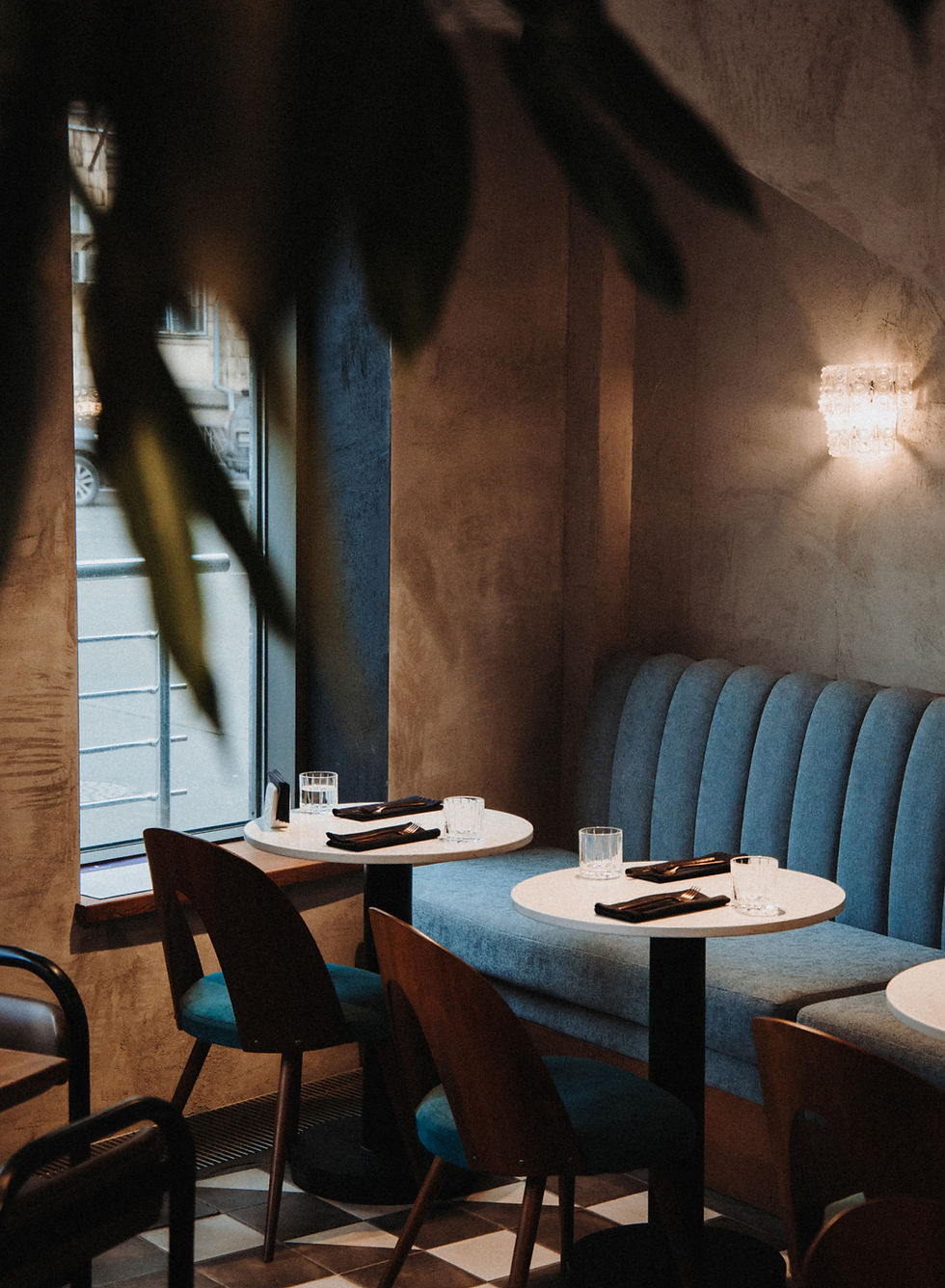
When designing restaurants, interior designers in Bali and beyond increasingly recognize that the dining table is not merely a functional element but a central part of the overall experience. Starting a design concept from the table setting allows designers to consider both aesthetics and practicality from the very beginning. This approach ensures that every piece, from plates and glassware to cutlery and napkins, aligns with the restaurant’s visual identity and the ambiance it seeks to create. Table settings act as a lens through which the broader interior can be envisioned, guiding choices in furniture, lighting, and décor. For many restaurants and villas, sourcing inspiration from curated collections like those available at homebyartonthetable.com provides a foundation for integrating tableware into the larger design concept.
The decision to start with table settings stems from the idea that the dining table is the focal point of guest interaction. Guests spend most of their time seated at tables, so every detail on the tabletop contributes directly to their perception of the space. Designers often select tableware with materials, textures, and colors that resonate with the intended style of the restaurant. For tropical interiors common in Bali, natural materials like rattan, wood, and ceramic complement lush surroundings, open layouts, and abundant natural light. Plates with earthy tones, glassware that catches sunlight, and linen napkins in soft colors can harmonize with furniture and flooring choices, ensuring that tables feel like an integral part of the room rather than isolated elements.
Beyond aesthetics, starting with table settings also allows designers to consider the functional aspects of dining. The height of chairs, the spacing of tables, and the arrangement of cutlery all affect how guests experience a meal. Properly proportioned tableware ensures that food presentation looks appealing, while ergonomic placement makes it easy for diners to reach and enjoy their dishes. Glassware that is visually striking yet comfortable to hold, or plates that frame dishes without overwhelming them, contributes to both comfort and presentation. By envisioning these details first, designers can avoid costly adjustments later in the design process and create a dining environment that is both beautiful and practical.
Lighting plays a pivotal role in linking table settings with the overall interior design. Designers often consider how pendant lights, wall sconces, or even natural sunlight will interact with tableware. Reflections on glassware, the shimmer of polished cutlery, and the way light enhances the textures of plates and napkins all contribute to the ambiance. In tropical Bali restaurants, where open-air layouts and sunlight are prominent, carefully selected lighting can highlight the textures and colors of tableware while reinforcing the overall design vision. Starting with table settings ensures that the interaction of light, materials, and spatial layout feels intentional and cohesive throughout the space.
Decorative accents on the table can further strengthen the connection between interior design and dining presentation. Centerpieces, small plants, candles, or locally inspired ornaments enhance the visual appeal of a table without overwhelming the guests. These details often mirror elements used elsewhere in the restaurant, such as wall art, flooring, or furniture textures. In this way, the table becomes a microcosm of the restaurant’s design, reflecting its style, mood, and theme. Designers in Bali frequently draw inspiration from local artisans or curated collections, including those found at homebyartonthetable.com, to achieve a balance between functionality, style, and regional character.
From a hospitality perspective, beginning with table settings has practical advantages. Restaurant owners notice that tables designed with intention enhance guest perception, making meals feel more sophisticated and immersive. A well-thought-out table setting communicates attention to detail and quality, influencing how guests perceive food, service, and overall value. Interior designers collaborating closely with restaurant managers can ensure that every piece of tableware supports operational efficiency while maintaining an elegant appearance. Consistency across tables also reinforces brand identity, leaving guests with a sense of cohesion and professionalism that encourages repeat visits.
Another consideration is flexibility. Restaurants often host different types of dining experiences, from casual breakfasts to formal dinners. By starting with the table setting, designers can create versatile arrangements that work across multiple service styles. Modular tableware, stackable plates, and adjustable decorative elements allow staff to adapt tables quickly while preserving the visual integrity of the interior. This adaptability ensures that the restaurant can maintain a high standard of presentation regardless of the type of service or number of guests.
In conclusion, starting with table settings provides interior designers with a strategic foundation for creating cohesive, functional, and visually appealing restaurant interiors in Bali. From material selection and color coordination to lighting and decorative accents, the tabletop informs broader design decisions and shapes the guest experience from the moment they sit down. By integrating tableware thoughtfully, designers ensure that each dining experience feels intentional, comfortable, and aligned with the restaurant’s identity. For restaurants and villas seeking inspiration, resources such as homebyartonthetable.com offer curated collections that help translate table design into a wider interior concept. Ultimately, the dining table becomes more than a place to eat—it is the starting point for a memorable and harmonious design journey.


Comments