.png)
Why Dining Table Presentation Is Part of Interior Styling
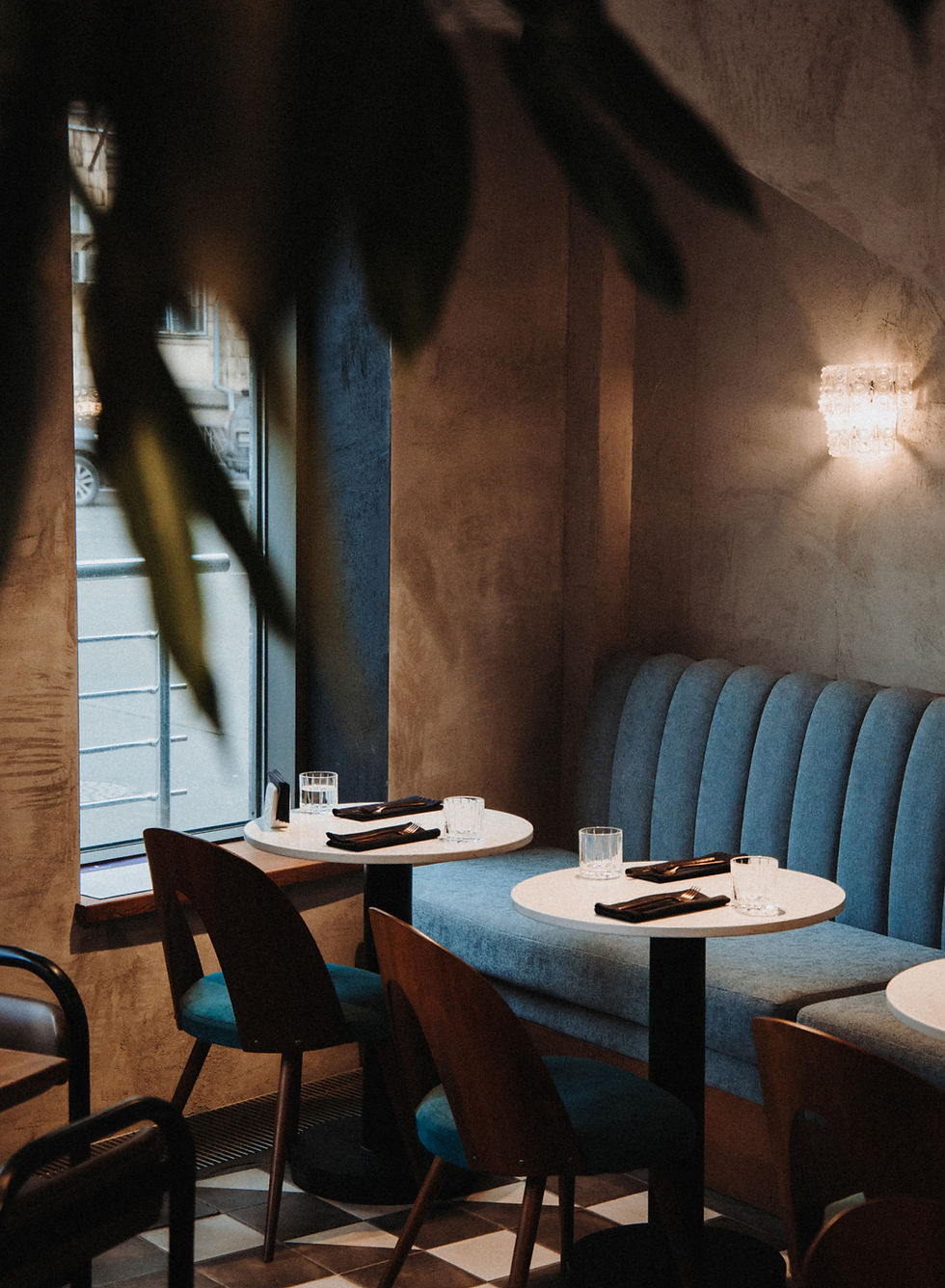
In Bali, dining experiences are often as much about the environment as the food itself. Villas and restaurants are increasingly treating dining tables as an extension of their interior design, rather than just functional furniture. The way a table is presented—its arrangement, tableware, glassware, and decorative accents—can significantly influence how guests perceive a meal and the overall ambiance of the space. For hospitality businesses and villa owners, integrating table presentation into interior styling ensures that every meal feels intentional, harmonious, and visually appealing. This approach goes beyond mere aesthetics; it enhances comfort, sets a mood, and reinforces the identity of the space. Some restaurants and villa owners even explore curated tableware collections from sources such as homebyartonthetable.com to align their tables with the villa’s or restaurant’s overall design theme.
The first element of table presentation that intersects with interior styling is the choice of tableware. Plates, bowls, and serving dishes contribute not only to functionality but also to visual cohesion. For tropical interiors, tableware in natural textures, earthy tones, or soft pastels often complements the surrounding décor and landscape. Conversely, minimalist white or clear tableware can accentuate modern, sleek villa interiors. By thoughtfully selecting tableware, designers can tie the table into the room’s color palette and style language, creating a sense of unity between the dining experience and the broader interior.
Glassware and cutlery further elevate the visual and tactile experience of a dining table. The shape, size, and clarity of glasses can impact both practicality and perception. For example, crystal-clear wine glasses or uniquely shaped cocktail glasses can enhance the appeal of beverages, while polished cutlery reinforces a sense of care and attention to detail. Villa and restaurant designers often consider how light interacts with glassware—whether natural sunlight streaming through open windows or warm interior lighting—to create reflections and highlights that complement the overall aesthetic. The subtle sparkle of well-chosen glassware can make a table feel complete and refined.
Decorative elements also play a pivotal role in integrating dining tables with interior styling. Floral arrangements, small centerpieces, or organic materials like woven placemats and wooden chargers can introduce texture and color that harmonizes with the villa’s tropical surroundings. In Bali, where indoor-outdoor living is common, these details help bridge the interior and exterior spaces, creating a seamless visual transition that enhances the dining atmosphere. The careful balance of decorative accents ensures that tables are attractive without being overwhelming, allowing the focus to remain on the meal while supporting the villa’s design language.
Lighting is another critical aspect of presenting dining tables as part of interior styling. Well-placed pendant lights, chandeliers, or candles can highlight table features, casting gentle shadows that enhance textures and colors. In tropical villas, maximizing natural light during the day allows the table setting to interact with the environment, creating a dynamic and inviting experience. At night, layered lighting helps maintain warmth and intimacy, making the table not only a functional surface but also a focal point of the room’s interior design.
Spatial arrangement and ergonomics also influence how a table complements interior styling. The placement of tables in relation to windows, patios, or architectural features affects both comfort and visual flow. Designers often consider line of sight, circulation space, and accessibility to ensure that guests feel comfortable while enjoying the view or interacting with other areas of the villa. A well-positioned table can act as an anchor for the room, creating a sense of structure and harmony that aligns with the overall interior design concept.
From a hospitality perspective, dining table presentation that integrates interior styling benefits both guests and operators. Villa managers and interior designers collaborate to select tableware, glassware, and decorative elements that not only reflect the villa’s style but also enhance operational efficiency. For instance, using standardized yet elegant tableware can streamline service while maintaining a consistent aesthetic. Thoughtful presentation elevates the perception of a meal, encouraging guests to linger, appreciate the space, and share their experiences. This attention to detail often translates into higher satisfaction and positive reviews, making table presentation a tangible component of the villa’s brand identity.
In conclusion, dining tables are more than functional furniture; they are an integral part of interior styling in Bali’s villas and restaurants. Careful attention to tableware, glassware, decorative accents, lighting, and spatial arrangement ensures that the table reflects the overall design concept while enhancing guest comfort and experience. By viewing the dining table as a canvas within the interior, villa owners and designers can create harmonious, visually engaging, and memorable dining spaces. Curated resources such as homebyartonthetable.com help in sourcing tableware that reinforces this vision, allowing tables to complement the broader interior and elevate every meal from routine to remarkable.


Comments